

Table of Contents
LHair loss can affect confidence and self-image. A hair transplant is one of the most common options for restoring hair growth in selected patients. This guide explains how the procedure works, who can benefit from it, what to expect during recovery, and important considerations for international patients traveling to Mexico.
1. What is a hair transplant?
Hair transplantation is a medical procedure designed to transfer hair follicles from an area with good hair density to areas where there is hair loss or significant thinning.
The goal is to improve hair coverage using the patient's own hair.
Unlike cosmetic products or temporary treatments, hair transplantation aims to redistribute viable follicles to achieve a more uniform and natural appearance when the patient is a suitable candidate.
Hair loss can be related to multiple factors, including genetic predisposition, hormonal changes, age, certain medical conditions, or family history.
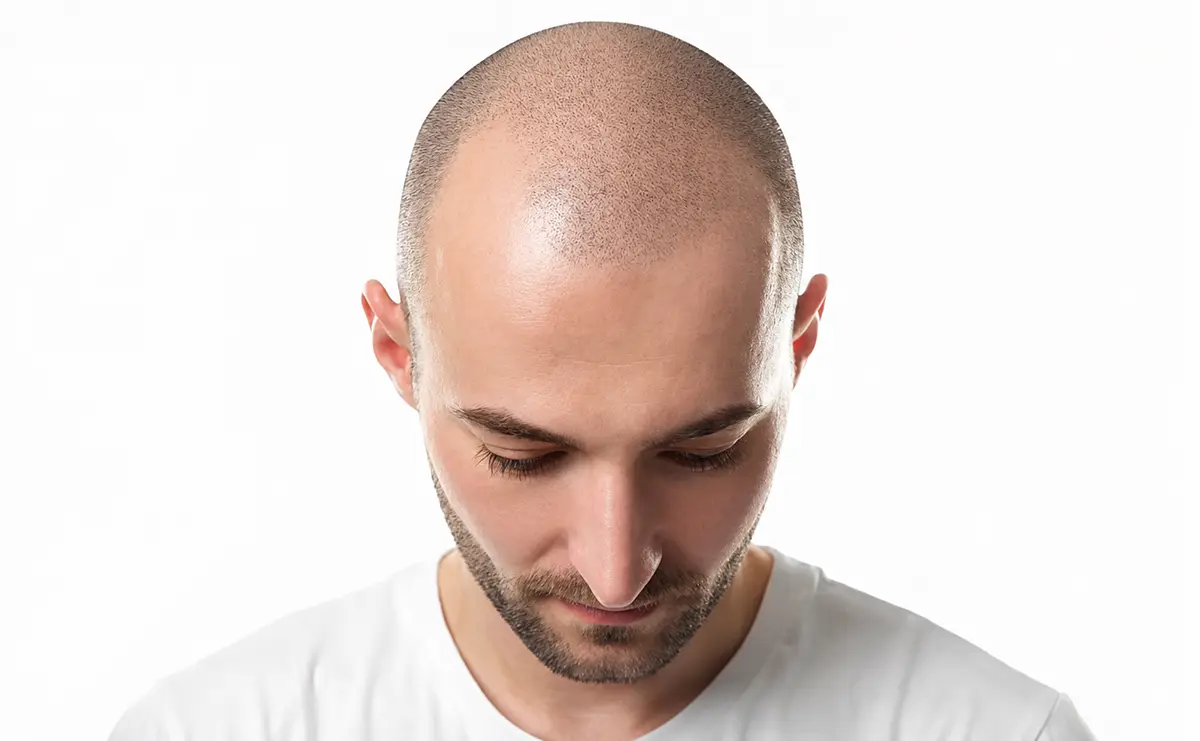
Hair transplant frontal hairline hair restoration Cancun plastic surgery center
Personalized hairline planning is a key step in achieving natural results in a hair transplant procedure.
2. Why do people consider a hair transplant?
Hair loss can cause concern for both men and women.
Some of the most common reasons include:
- Eaten.
- Progressive thinning of hair.
- Loss of density on the crown.
- Scalp scars.
- I wish to restore my frontal hairline.
It is important to remember that each patient has different expectations, anatomical characteristics, and hair loss patterns.
Therefore, personalized medical evaluation is an essential step before considering any procedure.
3. Who is a candidate for a hair transplant?
Not everyone with hair loss is a candidate for hair transplant surgery.
Generally, a medical evaluation considers aspects such as:
Donor area quality
The donor area is usually found in the back and sides of the head.
The availability of follicles directly influences the possibilities of the procedure.
Type of hair loss
The cause and evolution of hair loss help determine if a transplant can be a reasonable option.
General state of health
Pre-existing medical conditions, medications, and medical history are part of the evaluation.
Realistic expectations
Understanding what the procedure can and cannot achieve is fundamental to patient satisfaction.
4. How does a hair transplant work?

hair transplant frontal hairline Cancun Plastic Surgery Center
Custom hairline planning is a key stage for achieving natural and proportionate results in hair transplantation.
The procedure consists of extracting follicular units from a donor area to subsequently implant them in the recipient areas.
Each follicular unit can contain one or more hairs.
Careful planning of hair distribution, direction, and density is an important part of the process.
The goal is to achieve a natural appearance that integrates with the existing hair pattern.
5. Techniques Used in Hair Restoration
hair-transplant-cancun-international-patient-cancun-plastic-surgery-center
Hair transplant procedure performed by a hair restoration specialist using advanced techniques to redistribute hair follicles in areas of hair loss.
There are different surgical approaches for hair restoration. The most suitable technique depends on individual factors and should be determined by the specialist.
Among the options currently used are procedures based on individual follicular unit extraction and other methods of graft harvesting.
The choice depends on:
- Extension of hair loss.
- Hair characteristics.
- Patient goals.
- Donor follicle availability.
6. Potential Benefits of Hair Transplantation
When a patient is a suitable candidate, the procedure can offer various benefits.
Use your own hair
The transplanted follicles come from the same patient.
Natural Integration
Restoration seeks to respect the natural direction and pattern of hair growth.
Long-term solution
Transplanted follicles usually retain the characteristics of the donor area.
Hair appearance improvement
It can help restore visual density in specific areas.
However, results vary between patients and depend on multiple individual factors.
7. Risks and limitations
Like any surgical procedure, a hair transplant involves risks and limitations.
These can include:
- Temporary inflammation.
- Redness.
- Postoperative discomfort.
- Temporal crusts.
- Uneven growth in the early stages.
- Need for additional procedures in some cases.
It is also important to understand that surgery does not necessarily stop the natural progression of hair loss in other areas.
For this reason, proper planning is essential.
8. Pre-surgery preparation
hair-transplant-mexico-hairline-design-cancun-plastic-surgery-center
Hairline planning is one of the most important stages of hair transplantation, as it helps to achieve a natural and harmonious appearance.
Good preparation helps optimize the patient experience.
Prior to the procedure, the following are usually performed:
Medical evaluation
Allows to determine if the patient is a candidate.
Medical history
Include medical history and current medications.
Surgical Planning
The hair restoration strategy is defined.
Preoperative instructions
The medical team provides specific recommendations for the days leading up to the procedure. Following these instructions is an important part of the process.
9. Step-by-step recovery
Recovery varies from person to person.
Early days
It's common to observe small scabs, tenderness, and mild inflammation.
First week
Most patients can return to light daily activities following medical advice.
First weeks
The scalp continues to adapt to the procedure.
Months later
Hair growth is usually gradual and progressive. Patience is important during this stage, as visible changes appear gradually.
10. When do the results appear?
One of the most frequent questions is when the results will be visible. The answer depends on individual factors.
Transplanted hair growth occurs gradually and takes time. For this reason, specialists often emphasize the importance of maintaining realistic expectations and following follow-up instructions.
Each patient experiences a distinct process.
11. Considerations for International Patients
Mexico has become a major destination for international patients interested in elective medical procedures.
Before traveling, it is recommended to consider:
Trip planning
Organize flights, accommodation, and accompaniment when necessary.
Length of stay
The ideal duration depends on individual medical recommendations.
Tracking
Understand how post-procedure monitoring will be conducted.
Medical Communication
Ensure all doubts are addressed before and after surgery.
Patients from the United States and Canada typically highly value clear information, logistics, and support throughout the entire process.
12. Frequently Asked Questions
Does a hair transplant hurt?
Measures are used during the procedure to minimize discomfort. The experience may vary between patients.
Are the results permanent?
Transplanted follicles usually retain the characteristics of the donor area, although each case is different.
When can I return to work?
It depends on the work activity and specific medical recommendations.
Can women have hair transplants?
Yes, some women can be candidates, although a medical evaluation is essential.
Do I need to stay several days in Mexico?
The recommended stay depends on the procedure performed and the specialist's instructions.
Does transplanted hair fall out?
An initial temporary shedding may occur before subsequent hair growth.
Can more than one session be held?
In some cases, additional procedures may be required to achieve certain goals.
How do I know if I'm eligible?
The only way to determine this is through a personalized medical evaluation.
If you are considering a hair transplant in Mexico and want to know if this procedure is suitable for your case, a personalized medical evaluation can help you understand your options, resolve questions about preparation and recovery, and set realistic expectations based on your individual characteristics.

